Nova Decodes
The Mandela Effect Explained: Why Does Memory Lie?
- Nova Decodes
- 1 Nov 2026
- Short
The Mandela effect is a false memory that many people share. The classic example: the Monopoly man never wore a monocle, yet lots of people remember one.
Where the name comes from
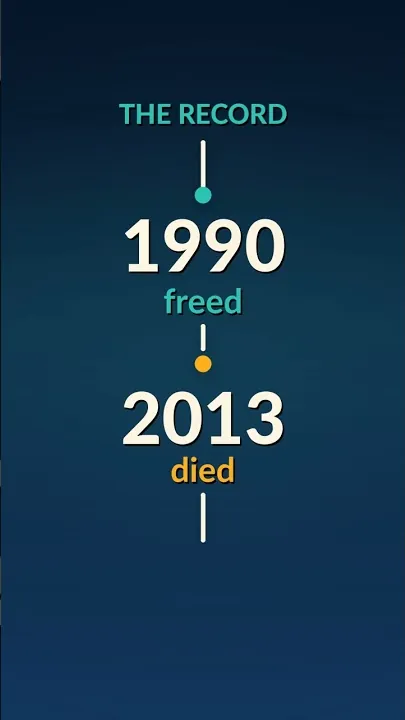
Writer Fiona Broome coined the term in 2009. She says she remembered Nelson Mandela dying in prison in the 1980s, then found others who remembered the same thing. The record is different: Mandela was freed in 1990 and died in 2013. Her memory is her own account; the dates are documented fact.
What the research found
In a 2022 study in Psychological Science, Deepasri Prasad and Wilma Bainbridge tested people on 40 famous icons. For 7 of them, many people gave the same wrong answer. When people drew the icons from memory, they made the same mistakes too, such as adding a monocle to the Monopoly man. A replication by Clearer Thinking also found the seven-icon result.
Researchers have not settled why the same errors are shared. The study did not find that people simply weren't paying attention.
Why memory does this
Memory isn't a recording. Psychologists such as Elizabeth Loftus have long described memories as reconstructed: your brain rebuilds them each time you recall them, so gaps get filled in. That is why feeling sure is not proof that you are right.
Try it
Before you check, sketch a famous logo or character from memory. Then compare it with the real one.
Sources
- Encyclopaedia Britannica, "Mandela effect": https://www.britannica.com/science/Mandela-effect
- Mental Floss, "What Is the Mandela Effect?": https://www.mentalfloss.com/article/649001/what-is-the-mandela-effect
- History.com, "Nelson Mandela released from prison": https://www.history.com/this-day-in-history/february-11/nelson-mandela-released-from-prison
- National Geographic, Nelson Mandela (2013): https://www.nationalgeographic.com/culture/article/131105-nelson-mandela-pictures-photos-south-africa-apartheid
- University of Chicago News, visual Mandela effect study: https://news.uchicago.edu/story/visual-mandela-effect-false-memories-psychology-neuroscience-pikachu-mr-monopoly-waldo
- Neuroscience News: https://neurosciencenews.com/logo-visual-mandela-effect-21066/
- Clearer Thinking replication: https://replications.clearerthinking.org/replication-2022psci33-12/
- Association for Psychological Science, Elizabeth Loftus profile: https://www.psychologicalscience.org/members/awards-and-honors/fellow-award/recipent-past-award-winners/elizabeth_loftus
Nova and her voice are AI-generated. All graphics are our own; no logos or footage are reproduced.
Transcript
The Monopoly man never wore a monocle. Lots of people remember one anyway. It's called the Mandela effect. A writer named it in two thousand nine. She says she remembered Nelson Mandela dying in prison, back in the eighties. He was freed in nineteen ninety. He died in two thousand thirteen. In one study, seven of forty famous icons got the same wrong answer. People even drew the same mistakes from memory. Memory isn't a recording. Your brain rebuilds it, again and again. So feeling sure isn't proof. Not even about a monocle.
This video is made with AI tools and reviewed by people before release. See how we make our videos.